


-

Add: HeBei ShengShi HongBang Cellulose Technology CO.,LTD.
-

Email
13180486930@163.com -

CONTACT US
+86 13180486930




In the world of modern construction, synthetic fibers have revolutionized the way materials are used, enhancing the strength, flexibility, and durability of various building components. The different types of synthetic fibers available today are engineered for specific uses, making them indispensable in many construction projects. These fibers are often used to reinforce concrete, improve the resilience of building structures, and provide additional benefits like increased fire resistance and weather protection. From polypropylene fibers to long glass fibers , synthetic fibers offer a range of options tailored to different needs. Whether it’s increasing the strength of cement or providing insulation properties, the different types of synthetic fibers ensure that construction projects meet high standards of quality and longevity. In addition to their superior performance, synthetic fibers are often more cost-effective and readily available than traditional materials. This makes them a preferred choice for construction companies aiming to reduce costs while maintaining high-quality results. Furthermore, the environmental impact of synthetic fibers is increasingly being addressed with sustainable production methods, making them a more eco-friendly option for the construction industry. Long Glass Fiber Polypropylene: A Key Ingredient for Stronger Materials One of the standout synthetic fibers in the construction industry is long glass fiber polypropylene . This innovative fiber combines the strength of glass with the lightweight, corrosion-resistant properties of polypropylene. As a result, long glass fiber polypropylene is often used to reinforce concrete and other building materials, providing a significant boost in durability and performance. The inclusion of long glass fiber polypropylene in construction materials helps reduce cracking and improve the structural integrity of buildings and roads. The long fibers create a matrix that distributes stresses evenly across the material, preventing localized damage. This fiber is particularly useful in high-strength concrete applications where additional reinforcement is needed. Moreover, long glass fiber polypropylene is highly resistant to environmental factors like moisture, UV radiation, and temperature changes, making it ideal for both indoor and outdoor construction projects. It is commonly used in applications like paving, drainage systems, and even in the production of prefabricated building components. Its versatility and effectiveness in improving the lifespan and reliability of building materials make it a go-to solution for modern construction needs. Fibre Natural and Synthetic: A Comparison of Strength and Sustainability When choosing materials for construction, understanding the difference between fibre natural and synthetic options is crucial. While natural fibers such as jute, hemp, and cotton have been traditionally used in construction, synthetic fibers like polypropylene, polyester, and nylon have emerged as more durable and cost-effective alternatives. Fibre natural and synthetic materials each have their own advantages, making them suitable for different types of applications. Natural fibers are renewable, biodegradable, and often produced using more sustainable methods, making them a more eco-friendly option. However, they may not offer the same level of strength or resistance to environmental factors as synthetic fibers. On the other hand, synthetic fibers are engineered for durability, offering superior resistance to moisture, heat, and wear. They are often used to enhance the properties of natural materials, making them more suitable for demanding construction environments. For example, natural fibers like hemp may be used in insulation or as a reinforcement material in low-stress applications, while synthetic fibers like polypropylene or polyester are used for high-strength reinforcement in concrete, roofing, and other critical structures. By combining the best of both fibre natural and synthetic materials, construction companies can achieve optimal performance and sustainability. Non-Woven Polypropylene Fiber: A Revolutionary Material in Construction Non woven polypropylene fiber is another essential material that is increasingly being used in the construction industry. Unlike traditional woven fabrics, non woven polypropylene fiber is made from a process that bonds fibers together without weaving or knitting, resulting in a highly versatile material with excellent durability and moisture resistance. This fiber is widely used in applications like drainage systems, geotextiles, and road construction. Non woven polypropylene fiber provides a lightweight yet strong solution for reinforcing construction materials. It is often used in soil stabilization, as it helps prevent erosion and improves the strength of the ground underneath roads, bridges, and buildings. The material's ability to resist moisture also makes it ideal for protecting against corrosion and extending the lifespan of infrastructure. Additionally, non woven polypropylene fiber is environmentally friendly, as it is made from recyclable polypropylene, a material that can be repurposed for various other uses. Its cost-effectiveness, combined with its high-performance qualities, makes it a popular choice for contractors seeking durable and sustainable solutions for their construction projects. S ynthetic F ibers FAQs What are the different types of synthetic fibers used in construction? Synthetic fibers used in construction include polypropylene, polyester, nylon, and glass fibers. Each type is engineered for specific applications, such as reinforcing concrete, improving durability, and providing insulation. What is long glass fiber polypropylene, and why is it important in construction? Long glass fiber polypropylene is a fiber that combines the strength of glass with the lightweight, corrosion-resistant properties of polypropylene. It is essential in construction for reinforcing concrete, improving structural integrity, and preventing cracking. What are the benefits of using natural fibers in construction? Natural fibers , like hemp or jute, offer benefits such as renewability, biodegradability, and sustainability. They are commonly used for insulation and low-stress reinforcement, but may not be as durable or resistant to environmental factors as synthetic fibers. How does non-woven polypropylene fiber differ from woven fabrics? Unlike woven fabrics, non-woven polypropylene fiber is made through a bonding process that does not involve weaving or knitting. This results in a highly durable and moisture-resistant material, commonly used in geotextiles, drainage systems, and soil stabilization. Are synthetic fibers environmentally friendly? While synthetic fibers are often made from petroleum-based products, many are now produced using more sustainable methods. Additionally, materials like non woven polypropylene fiber are recyclable, making them a more environmentally friendly choice in construction. As construction needs evolve, synthetic fibers like long glass fiber polypropylene and non woven polypropylene fiber continue to play a crucial role in enhancing the strength, durability, and sustainability of building materials. If you're in the construction business, investing in these cutting-edge fibers will improve the performance of your projects and contribute to more eco-friendly practices. Visit our website today to explore our wide range of high-quality synthetic fibers and learn how they can transform your construction projects!
- 40000tons

Production
- 20+years

Experience
- 5000+㎡

Acreage

-
Rubber powder, an increasingly significant material in various industrial applications, exhibits unique properties that make it an invaluable element across multiple sectors. Its versatility and functionality open up creative avenues for sustainable and innovative solutions. Through years of professional experience and expertise, I present a comprehensive exploration of the applications of rubber powder, emphasizing its authority and trustworthiness in diverse product categories. Understanding Rubber Powder and Its Production Process Rubber powder, often derived from scrap tires, is processed through a meticulous grinding method that ensures uniform particle size. The resulting material is fine and consistent, exhibiting several advantageous characteristics such as elasticity, durability, and resilience. These attributes have propelled it into the spotlight as an eco-friendly alternative and supplement in numerous industries. Construction Industry Revolution In the construction realm, rubber powder is reshaping material composition and enhancing functional attributes. By integrating rubber powder into concrete and asphalt, builders experience improved flexibility and crack resistance, critical in extending the lifespan of roads and structures. Additionally, it plays a pivotal role in green building certifications, offering builders sustainable choices that align with global environmental standards. The construction industry benefits from its sound and thermal insulation properties. By incorporating rubber powder into materials, builders achieve enhanced noise reduction and energy efficiency, thereby delivering superior living and working environments. Automotive Innovation and Longevity The automotive sector leverages rubber powder for its potential to enhance tire durability and performance. As vehicle tires endure diverse environmental challenges, the integration of rubber powder offers improved traction and reduced wear. This contribution not only extends the service life of tires but also underpins automotive manufacturers' responsibility towards eco-friendly production. Moreover, the interior of vehicles now incorporates rubber powder for soundproofing and vibration dampening . Today’s consumers demand quieter and more comfortable rides, and the inclusion of rubber powder meets these expectations while maintaining cost effectiveness. Revolutionizing Sports and Recreational Surfaces Sports facilities and playgrounds require surfaces that ensure safety, durability, and shock absorption. Rubber powder fulfills these requirements by being an essential component in the manufacturing of artificial turfs and playground surfaces, mitigating injury risks significantly. Its inherent elasticity provides cushioning and impact resistance, making sporting activities enjoyable and accident-free. applications of rubber powder wikipedia With increasing attention to sustainability, sports complexes adopting rubber powder-enhanced surfaces also contribute to recycling efforts, transforming what was once waste into valuable resources. Footwear and Fashion Blending Style with Function The fashion industry has warmly embraced the utility of rubber powder in footwear, with manufacturers integrating it into soles for increased durability, slip resistance, and comfort. As sustainability takes precedence in consumer trends, rubber powder becomes a badge of eco-consciousness and innovation, merging fashion with practical benefits. In accessories and apparel, rubber powder enables designers to produce products that withstand harsh environments while retaining aesthetic appeal. This dual capability assures consumers of the value in their purchases, harmonizing style with functionality. Innovations in Industrial Applications Beyond these sectors, rubber powder’s properties are advantageous in several industrial applications, including adhesives, sealants, and coatings. Its integration improves adhesion, elasticity, and resistance to environmental factors, promoting longevity and efficiency in industrial processes. Rubber powder’s adaptability transcends traditional uses, allowing industries to explore novel applications that redefine production methodologies. For instance, in lightweight construction materials and advanced composites, rubber powder contributes to enhanced mechanical properties and cost optimization. Future Outlook and Responsibility As we gaze towards future developments, rubber powder’s role in technological innovation continues to expand. It supports efforts in waste reduction and promotes circular economies, asserting its position as a material of the future. Industries embracing rubber powder are not only investing in superior product development but also endorsing global sustainability targets. On an authoritative note, it is crucial for businesses to partner with credible suppliers who adhere to industry standards and regulations, ensuring quality and reliability in rubber powder applications. This trustworthiness fortifies brand reputation and customer loyalty. In summary, rubber powder's applications render it indispensable in reshaping industrial landscapes. Its diverse benefits resonate across a spectrum of product domains, evidencing the profound impact that expert utilization can yield. Through continued research and development, rubber powder is poised to lead the charge towards an innovative and sustainable industrial evolution.
-
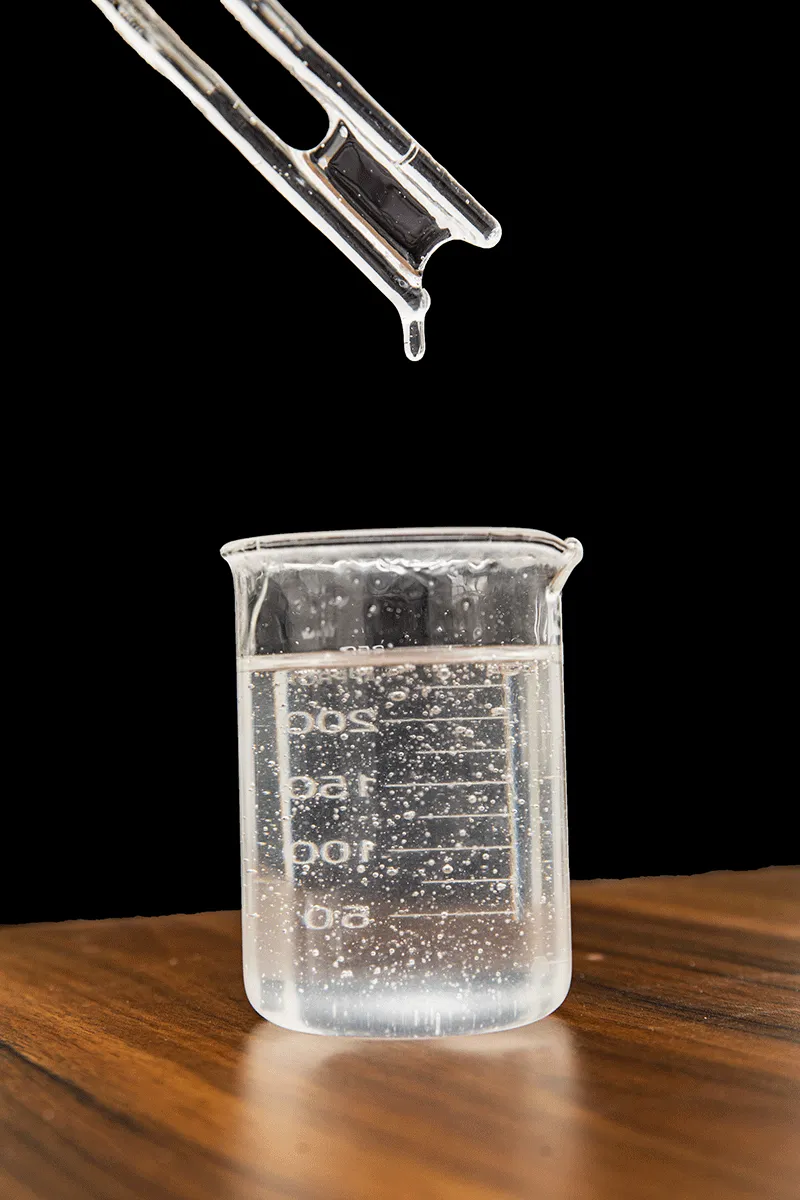
Raw Materials for Synthetic Fibers An Overview Synthetic fibers have become an integral part of our daily lives, shaping industries ranging from fashion to automotive. These fibers are made from raw materials that have transformed textiles, offering durability, versatility, and a range of functionalities. To understand the production of synthetic fibers, it is essential to explore the various raw materials involved, the processes of transforming these materials, and their impact on the textile industry and the environment. Types of Raw Materials The production of synthetic fibers primarily relies on petrochemical products derived from crude oil. The two most common types of synthetic fibers are polyesters and polyamides, which are produced from specific raw materials. 1. Polyester The most widely used synthetic fiber, polyester, is typically made from polyethylene terephthalate (PET). PET is synthesized from two key raw materials terephthalic acid and ethylene glycol. Both of these compounds originate from crude oil, undergoing processes such as polymerization to create polyesters. Known for its strength and resistance to stretching and shrinking, polyester has become a popular choice in clothing, home furnishings, and industrial applications. 2. Polyamide (Nylon) Another significant synthetic fiber is polyamide, commonly known as nylon. The production of nylon involves raw materials like hexamethylenediamine and adipic acid, which can also be sourced from petroleum or derived from renewable resources. Nylon fibers are prized for their exceptional elasticity, strength, and abrasion resistance, making them ideal for products such as hosiery, activewear, and ropes. 3. Acrylic Acrylic fibers, often used as a wool substitute, are manufactured from polyacrylonitrile (PAN). The raw materials for PAN typically include acrylonitrile, which is derived from propylene—another byproduct of oil refining. Acrylic fibers are lightweight, soft, and exhibit good color retention, providing a popular choice in blankets, sweaters, and textiles. The Production Process Once the raw materials are sourced, the production of synthetic fibers generally involves several key steps polymerization, spinning, and finishing. raw material for synthetic fibers - Polymerization This process involves chemically reacting the raw materials to form long chains of molecules, known as polymers. Depending on the desired characteristics of the final product, variations in the chemical process can be implemented to achieve specific attributes, such as thickness and flexibility. - Spinning After polymerization, the resulting polymers are melted down and extruded through spinnerets, which are devices that create filaments. As the molten polymer passes through tiny holes, it cools and solidifies to form fibers. This spinning process can be done using different techniques, such as dry, wet, or melt spinning, each resulting in different types of fiber characteristics. - Finishing The final step in fiber production involves finishing processes that enhance the fiber's performance characteristics. This might include dyeing, texturing, or applying treatments that improve properties like water resistance or flame retardance. Environmental Considerations While synthetic fibers have revolutionized the textile industry, their production poses significant environmental challenges. The extraction and processing of petrochemical raw materials contribute to carbon emissions, pollution, and reliance on fossil fuels. Furthermore, synthetic fibers are not biodegradable, resulting in long-lasting waste in landfills and oceans. To address these concerns, there is a growing movement towards sustainable practices in synthetic fiber production. Innovations in recycling technologies are enabling the repurposing of old synthetic garments into new fibers. Brands are also exploring bio-based alternatives, using renewable resources such as corn starch or sugarcane to produce synthetic fibers, thus reducing their environmental footprint. Conclusion The journey of synthetic fibers from raw materials to finished products is a complex interplay of chemistry, engineering, and environmental considerations. As demand for these materials continues to grow, it is vital to find a balance between industrial benefits and ecological sustainability. By prioritizing innovation and responsible sourcing, the future of synthetic fibers may pave the way for a more sustainable textile industry, combining functionality with environmental stewardship.
advantages
-

200000 Viscosities
Excellent product
We can produce pure products up to 200,000 viscosities
-

40000 tons
High yield
We don’t stop production all year round, and the annual output can reach 40,000 tons
-

24 hours
Quality service
We provide 24-hours online reception service, welcome to consult at any time
———— Inquiry Form
Schedule A services
-
 mix_design_of_polypropylene_fiber_reinforced_concrete
Oct . 25, 2025
The evolution of modern construction materials has positioned starch ether as an indispensable compo - watengenezaji_wa_wanga_ether
Oct . 25, 2025
The Growing Importance of PP Fiber Concrete in Modern Construction In the ever-evolving landscape of -
 ano_ang_selulusa_na_gawa_sa_kahoy
Oct . 25, 2025
Starch ether is an essential additive in many modern construction materials, offering superior perfo


